







YSHFM Powers Through the Shanghai Hardware Show: A Look Back at CIHS 2026
2026-04-09
From March 24th to 26th, the YSHFM team wrapped up an intensive and highly successful showcase at the China International Hardware Show held in the Shanghai National Convention and Exhibition Center.
Located at Booth 2K02/K04, our display served as a key meeting point for industry professionals and long-standing partners. While many of our clients know us through our Shenzhen-based corporate presence, this exhibition was proudly anchored by our dedicated manufacturing facility—Jinhua Yushu Agricultural and Forestry Machinery—based in Yongkang, Zhejiang. This "factory-direct" presence allowed us to demonstrate the raw manufacturing power and technical precision behind every tool we ship.
The Tech That Stole the Show
The floor was buzzing, and our booth remained a hive of activity as we gave hands-on demonstrations of our latest lithium-ion garden solutions. The stars of the weekend were undoubtedly our Electric Leaf Blowers. Visitors were particularly impressed by the versatility of our Blow-and-Suck Integrated models, which feature:
Stepless Speed Control: For precision handling in delicate garden beds.
6-Speed Adjustable Settings: Tailored for heavy-duty clearing.
High-Efficiency Motors: Delivering peak performance with minimal noise.
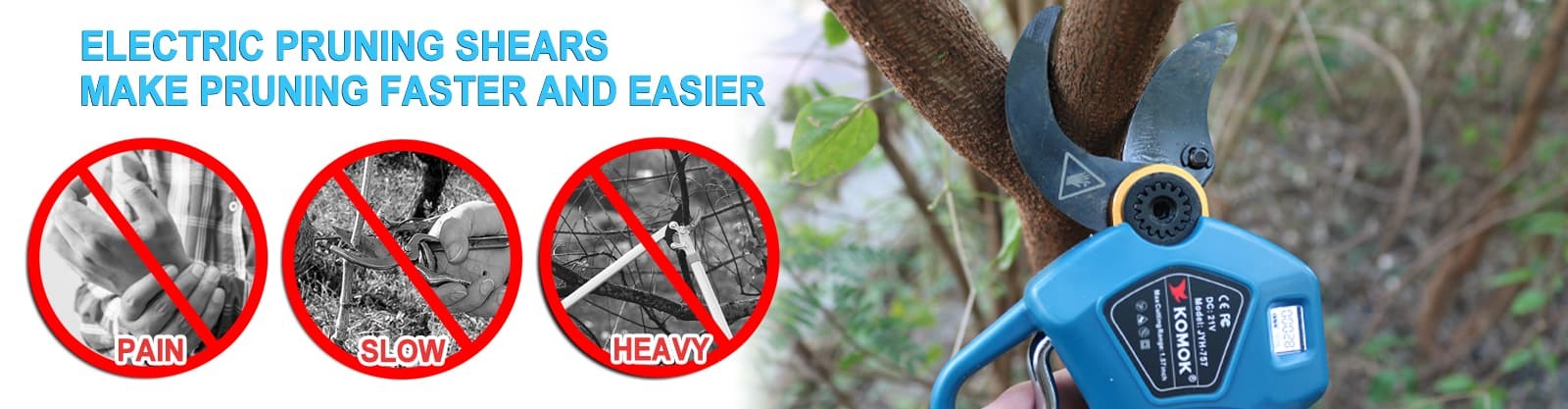
Beyond the blowers, our lineup of Chainsaws, Electric Pruning Shears, and Hedge Trimmers drew significant attention from professional landscapers and distributors alike. The feedback was consistent: the balance between lightweight ergonomics and high-torque power is what sets the YSHFM range apart in a crowded market.
Connecting Manufacturing with Global Vision
Exhibiting under our Yongkang factory name was a deliberate nod to our heritage and our commitment to quality control. By showing exactly where our products are engineered and assembled, we provided our partners with the transparency and confidence they need in a supply chain partner.
Whether you met us in person in Shanghai or followed our updates online, we want to thank you for the incredible support. We are back in the office now, processing orders and following up on the many exciting partnerships that began on the showroom floor.
Missed us in Shanghai? You can explore our full range of professional garden tools right here on our website, or contact our team directly for the latest catalog and wholesale pricing.
View More
Pruning Apple Trees: A Complete Guide
2024-01-23
Apple trees are a delightful addition to any garden, offering not only delicious fruits but also a relatively low-maintenance growing experience. One key practice that can significantly enhance their health and productivity is regular pruning. Contrary to common belief, pruning need not be a daunting task; adopting a "little and often" approach can yield surprising benefits. In this comprehensive guide, our fruit experts share valuable insights into every aspect of pruning apple trees.
Why Prune Apple Trees?
Pruning apple trees might seem intimidating at first, but the benefits far outweigh any initial apprehension. "You don't need to do much with them," advises our experienced tree grower, John. An annual pruning session, though modest, can boost productivity, reduce disease risks, maintain a convenient picking height, and result in a well-shaped tree that harmonizes with its surroundings.
When to Prune Apple Trees
The ideal time to prune apple trees is during the dormant season, spanning from November to March. This period ensures that the trees are not actively growing, reducing the risk of inadvertently cutting off fruit spurs or blossoms. Opt for a dry and frost-free day for pruning to expedite the healing process of pruning cuts.
For trained or restricted trees like cordons, espaliers, and fans, a second pruning in summer is recommended to preserve a neat appearance.
Tools for Apple Pruning
Before embarking on pruning, gather clean and sharp tools. For taller trees, a stepladder may be necessary. Basic tools include secateurs, loppers or long-handled pruners for taller trees, and a pruning saw for thicker branches. Sterilize tools between trees to prevent the spread of infections.
When to Start Pruning
For a newly purchased apple tree, typically two or three years old, professional pruning by growers ensures minimal initial pruning. Commence pruning the year after planting, following specific methods based on the tree's age.
For Two-Year-Old Trees:
- Remove dead, diseased, or damaged branches.
- Trim new growth by about a quarter.
- Preserve side shoots, as they bear fruit spurs.
For Three-Year-Old Trees and Beyond:
- Remove dead, diseased, or damaged branches.
- Eliminate branches crossing over, growing inward, or crowding.
- Aim for an open center to facilitate air and sunlight penetration.
- Maintain enough space between branches for optimal growth.
How Much to Prune
Limit pruning to 10-20% of branches annually, ensuring clean and diagonal cuts sloping away from buds. Mature trees may tolerate slightly more pruning.
Pruning Mature Apple Trees
Renovating an old, neglected apple tree should occur gradually over two or three winters, pruning up to a third of the canopy in one session. This approach prevents weakening and encourages balanced growth.
Pruning Around Your Apple Tree
Maintain a well-mulched circle around the base of your tree, preventing grass and weeds. This promotes moisture retention and nutrient supply, contributing to the tree's health.
Shaped or Trained Apple Trees
Training apple trees into shapes like espaliers, cordons, or stepovers saves space and enhances attractiveness. Although more work-intensive, the results are impressive. Explore guides on espalier apple trees, stepover apples, fan-trained apples, and more.
In conclusion, pruning apple trees is a rewarding practice that enhances both the health of the tree and the quality of the harvest. With the right knowledge and approach, you can enjoy the benefits of a well-maintained and productive apple tree in your garden.
View More
Winter Pruning: What Plants to Prune and How to Do It
2024-01-17
Pruning is a vital aspect of plant care, and timing is crucial to ensure its effectiveness. Winter pruning, during the dormant phase of many plants, is particularly beneficial. This practice not only readies your plants for a burst of growth in the spring but also contributes to maintaining their health and minimizing the risk of diseases.
The Winter Pruning Advantage
In temperate regions, winter signifies a period of dormancy for most plants. As active growth halts, plants rest and conserve energy. Winter, especially the early months, becomes an opportune time for pruning, particularly for shaping purposes. Pruning in winter allows plants to channel their energy into producing new and robust growth as they emerge from dormancy.
Plants Ideal for Winter Pruning
Not all plants necessitate winter pruning, but several benefit from this practice. Here's a guide to some plants that thrive with winter pruning:
1. Grapevines
Best Time: December or January
Pruning Technique: Cut vines back to the main arm along the support system. Ensure pruning is done only during dormancy to prevent bleeding.
2. Autumn-Fruiting Raspberries
Best Time: February
Pruning Technique: Cut canes down to a few inches above the ground to encourage shoots for fall fruiting.
3. Figs
Best Time: December or January
Pruning Technique:** Trim to leave evenly spaced, straight branches. Remove any branches that deviate from the desired shape.
4. Wisteria
Best Time: December and June/July
Pruning Technique: Winter pruning involves cutting side-shoots back to the third or fourth bud. Summer pruning includes cutting back all shoots to several inches.
5. Roses
Best Time: Winter (for certain types like hybrid teas and shrub roses)
Pruning Technique: Trim thin, weak stems, leaving six thick, healthy canes. Remove suckers and inward-growing branches.
6. Apple & Pear Trees
Best Time: November to mid-March
Pruning Technique: Encourage fruiting while maintaining the wine-glass shape. Remove shoots at the base, along with dead or diseased branches.
7. Deciduous Shrubs
Best Time: Winter
Pruning Technique: Remove damaged or diseased wood and crossing branches. Winter pruning is advantageous due to better visibility without leaves.
8. Multiple Fruit Bushes
Types: Blackcurrants, blueberries, gooseberries, redcurrants
Best Time: Winter
Pruning Goal: Remove old wood, shaping for healthy young branches and larger harvests.
Winter Pruning Tips
1. Prune at the Right Time
Choose a mild, dry day for pruning to prevent the spread of diseases. Avoid pruning too early in winter to prevent drying incisions in extremely low temperatures.
2. Remove Dead & Diseased Branches
Prioritize removing dead and diseased branches, especially those affected by snow and ice. Identify and address issues like canker in apple trees or dead branches due to diseases like verticillium wilt in magnolia trees.
3. Address Crossing Branches
Crossing or rubbing branches can lead to wounds, providing entry points for pests and diseases. Remove such branches to preserve plant health.
4. Enhance Air Circulation
Improve air circulation by removing overgrown or smaller branches at the crown of trees. For evergreen shrubs, consider removing lower branches to facilitate airflow.
5. Prune to the Buds
Cut branches at the node where they connect to another branch, especially for newer shrubs and trees. This encourages the plant to invest energy in developing a robust root system.
6. Prune for Structure
Conduct structural pruning for aesthetic purposes and to maintain the desired size of shrubs and trees. This involves removing crossing branches and shaping for a pleasing structure.
7. Clean The Tools
After pruning, clean tools with a disinfecting solution to prevent the spread of diseases. A solution using rubbing alcohol or household bleach with water (10% concentration) works well. Wipe down all blades and let them air dry.
Winter pruning is a rewarding practice that sets the stage for a vibrant and healthy garden in the upcoming seasons. By understanding which plants benefit from winter pruning and following proper techniques, you ensure the long-term well-being and beauty of your plants.
View More
Winter Pruning Guide for Fruit Trees
2024-01-20
Winter is a great time for spring planning and daydreaming of fresh growth ahead. It’s also a perfect time to prune dormant fruit trees and plants. Pruning during the winter can help set your fruit trees up for a successful growing season to come.
Be sure to check out our winter pruning guide and follow the link to watch our Horticulturist, Sam, provide further fruit tree pruning guidance below!
1. Winter prune between Early December – Late February. Pruning too early can take away too much energy from a tree when a heavy amount of sap is still in the branches and leave wounds open for a longer period of time exposing them to winter rains and potential diseases. Pruning too late can also stunt the tree because sap is concentrated in the branches and buds. Pruning while your trees are fully dormant but soon to wake up is ideal.
2. Prune out any dead wood, diseased wood, and crossing branches. These are the first branches to remove and the easiest ones to make decisions on. Dead branches will be brown and desiccated, and diseased wood isn’t always obvious but often has discoloration, cankers or fungal spores showing. Be sure to sterilize tools after you’ve been pruning diseased branches.
3. Winter pruning is a great time to control the height of your tree and take out larger branches. While the tree is dormant you can cut out larger branches without stunting the tree too much. Branches growing towards the interior or growing parallel to one another, often called redundant branches, should be removed.
4. Prune to let light in on your maturing fruits. More UV means higher levels of anthocyanins and sugars which means a more nutritious and delicious fruit! Though you’ll sometimes have to prune out some fruit bearing branches. We understand how difficult this can be, but rest assured it means larger and more flavorful fruits come summertime.
5. Try not to over-prune. Over-pruning risks stunting the plant. It is also important to be mindful of not removing too much material. The general rule is to never remove more than 1/3 of the wood in your canopy. But also, do not be shy about removing material. Trees are resilient and the healthiest and most productive fruit trees are pruned regularly.
6. Prune nitrogen fixing plants to get a release of nutrients. Pruning nitrogen fixing plants causes root die back which releases nitrogen from the nitrogen fixing nodules back into the soil for your surrounding fruit trees. Just be careful not to prune off all the fruiting wood on your goumi for example, or all the flowering wood on that beautiful, soon-to-flower Ceanothus.
7. Be mindful which trees you’re pruning! Some trees, like peaches, nectarines, apricots and cherries should be pruned only during dry periods and sprayed with a fungicide afterwards to keep fungal diseases from invading. Consider significant summer pruning on these species to alleviate the risks of rain-borne fungal diseases infecting them. And always be careful to not remove all of the fruit-bearing wood on plants that produce only on last year’s wood.
8. Pay attention to how your trees react to your pruning. The best way to become an expert pruner is to just pay attention to your trees and see how they react to your cuts. Notice how they branch after you cut them, how opening up certain parts of the canopy can effect them and how flower and fruit production vary based on how you prune.
View More
Winter Pruning Guide for Fruit Trees: Insights from a Seasoned Orchard Owner
2024-01-16
As a dedicated orchard owner, I understand the significance of winter pruning in ensuring the vitality and productivity of fruit-bearing trees. Winter serves as an opportune time to shape and revitalize our orchard for a fruitful upcoming season. Here's a comprehensive guide based on years of hands-on experience:
1. Begin with a Tree Inspection:
Start the winter pruning process by conducting a thorough inspection of each tree. Identify and remove any dead, diseased, or damaged branches. This initial step sets the foundation for a healthier tree structure.
2. Timing Matters:
Timing is critical when it comes to winter pruning. Aim to conduct the pruning during the dormant season, typically between late November and early March. Performing this task during dormancy minimizes stress on the trees and encourages vigorous growth come spring.
3. Shape for Optimal Sunlight Exposure:
Focus on shaping the tree to optimize sunlight exposure. Prune to create an open canopy, allowing sunlight to penetrate all parts of the tree. Adequate sunlight enhances fruit quality, flavor, and overall yield.
4. Thinning Out for Air Circulation:
Thin out overcrowded areas by selectively removing branches. This not only improves air circulation but also prevents disease spread. Pay attention to branches that cross each other or grow inward, as they can impede airflow.
5. Heading Back for Lateral Growth:
Utilize heading back techniques to encourage lateral branching. This stimulates new growth and results in a fuller, more robust tree. However, be mindful of the overall shape to maintain a balanced and aesthetically pleasing appearance.
6. Consider the Tree's Age:
Tailor your pruning approach based on the age of the tree. Young trees benefit from formative pruning to establish a strong framework, while older trees require maintenance pruning to sustain productivity. Adjust the intensity of pruning accordingly.
7. Addressing Tree Height:
Control the height of the tree by selectively pruning upper branches. This not only facilitates easier harvesting but also simplifies overall orchard management.
8. Clean Cuts with Sharp Tools:
Always use sharp and clean pruning tools to make precise cuts. Clean cuts minimize stress on the tree and reduce the risk of disease. Sterilize tools between trees to prevent the spread of potential infections.
9. Protect Against Pests:
Winter pruning is an opportune time to inspect for overwintering pests. Remove any potential habitats for pests and address any signs of infestation promptly.
By incorporating these winter pruning techniques into our orchard management practices, we can ensure the long-term health and productivity of our fruit trees. Remember, each tree is unique, so adapt your approach based on the specific needs of your orchard. Happy pruning!
View More